
May 6, 2014 – Anna Mehler Paperny, Global News
A Global News investigation revealing the prevalence of death and violence in psychiatric hospitals underscores the need to act on the mental illness crisis in Canada’s prisons, opposition critics say.
May 6, 2014 – Anna Mehler Paperny, Global News
A Global News investigation revealing the prevalence of death and violence in psychiatric hospitals underscores the need to act on the mental illness crisis in Canada’s prisons, opposition critics say.

This is the closest we got to Saskatoon’s Regional Psychiatric Centre.
May 1, 2014 – Global News
Journos grow thick skins thanks to frequent rejection (and no, not just the social kind). But in the interest of transparency we wanted to elucidate the public bodies we’ve tried to access for this story, only to be refused.
![RPC from CSC [could also be banner] small](https://annamehlerpaperny.com/wp-content/uploads/2014/05/rpc-from-csc-could-also-be-banner-small.jpg)
May 1, 2014 – Global News
Kinew James died alone in her cell, pushing a button to call for help.
She died at Saskatoon Regional Psychiatric Centre, where more inmates have died in the past seven years than any other federal prison in Canada.
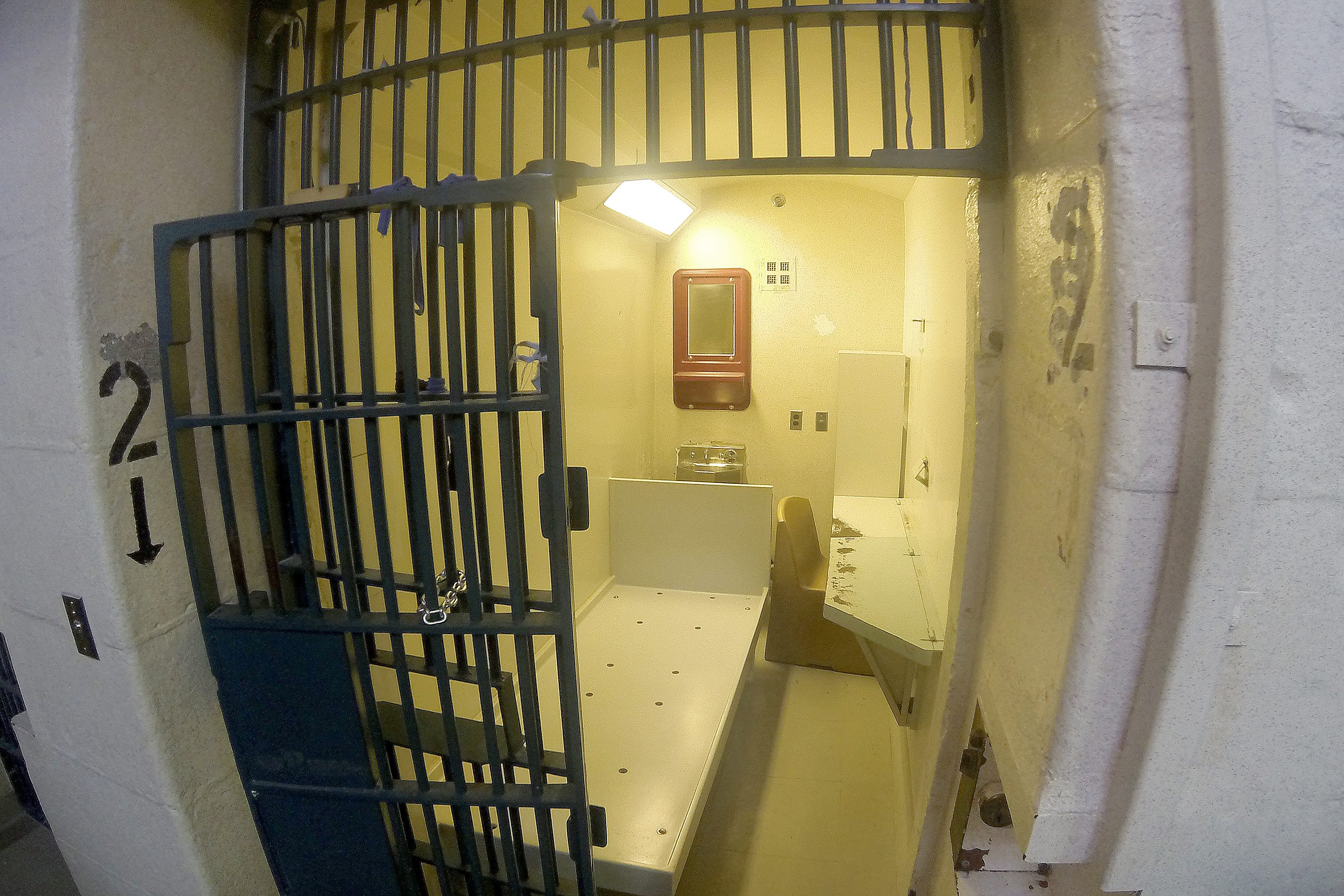
May 1, 2014 – Global News
Offenders are more likely to die or be violently attacked in a psychiatric prison than any other federal institution – by a long shot.
The people in these specialized facilities – in B.C., Saskatchewan, Ontario, Quebec – are the most vulnerable and problematic in a prison system already overflowing with mental illness.
And numbers obtained by Global News through an access to information request indicate they’re disproportionately subject to violence and death in the institutions supposedly designed to care for them best.
Ottawa’s plan to crack down on mentally ill offenders could accomplish the opposite of its intent, critics say – pushing more people with mental illness into a prison system unable to treat them, and putting seriously ill patients in makeshift, less secure accommodation in overflowing forensic hospital wings.
Full story here.

ANNA MEHLER PAPERNY
September 25, 2012 – Globe and Mail
The federal government is being sued for not providing clean needles to inmates in prisons – something the former inmate and advocacy groups behind the suit argue not only violates offenders’ right to health care but makes a public health problem worse.
I was confused about Correctional Service Canada’s budget and sent the department a bunch of questions (and annoying follow-up questions). These are the responses I got to the latest barrage, received around 5 p.m. ET on Thursday, Aug. 23 – about 10 days after I sent them.
Long story short, the answers are non-answers.

ANNA MEHLER PAPERNY
Monday, August 20 – Globe and Mail
Corrections Canada faces years of big budget cuts even as its resources are stretched increasingly thin.
The federal agency must trim $295-million in spending by 2015 as part of the Conservative government’s deficit-reduction program. This is the first time the agency has had to cut its budget, year to year, since 2006.

Adrian Wyld/The Canadian Press
Thursday, July 12 – Globe and Mail
ANNA MEHLER PAPERNY
Public Safety Minister Vic Toews says he has no problem with the number of federal inmates sharing cells built for one.
And even as he reiterated his commitment to building 2,700 new cells in existing prison facilities, he said those additional units aren’t meant to alleviate the pressures caused by double-bunking – because there’s no need.

Photo by Kevin Van Paassen/Globe and Mail
Thursday, May 10, 2012 – Globe and Mail
ANNA MEHLER PAPERNY
Inmates in Canada’s federal prisons have been sleeping in trailers, interview rooms, family visiting spaces and gymnasiums, while the percentage of prisoners sharing cells built for one has nearly doubled in under three years, according to documents obtained by The Globe and Mail.
The documents, obtained from access to information requests, suggest a penal system stretched to capacity. Canada’s prison population has been rising since 2005 after years of steady decline, growing 7 per cent between March 31, 2011 and May 1, 2012.
Part of the latest increase can be attributed to the government’s tough-on-crime agenda. At the same time, the government will lose 1,000 beds after it closes aging penal facilities such as Kingston Penitentiary and Leclerc Institution in Laval, Que., but says it will more than make up the difference with new units.
 a business of misfits