January 29, 2016 – Anna Mehler Paperny, Global News
People who say they were raped are called liars, drunks, druggies, sluts, flirts, teases — not by trolls on social media but by robe-clad lawyers in court.

January 29, 2016 – Anna Mehler Paperny, Global News
People who say they were raped are called liars, drunks, druggies, sluts, flirts, teases — not by trolls on social media but by robe-clad lawyers in court.

January 27, 2016 – Anna Mehler Paperny, Global News
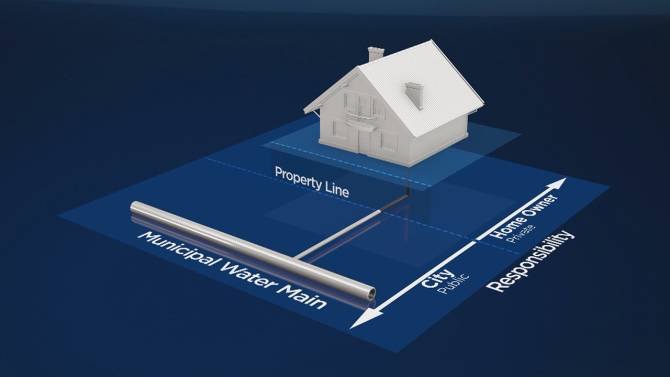
Matt and Mandy Pisarek learned they were drinking water from lead pipes by accident.
January 22, 2016 – Anna Mehler Paperny, Global News
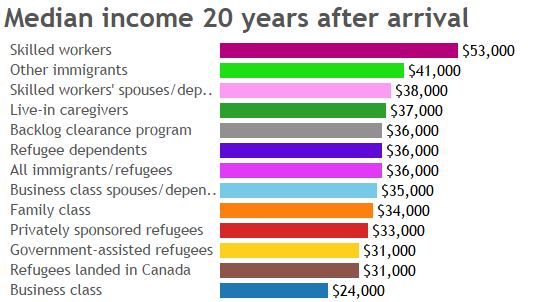
Much of Canada’s conversation around refugees — whom do we take, when and how many? — has focused on the assumed cost of the initiative.

January 21, 2016 – Anna Mehler Paperny, Global News
Who qualifies for help dying? Who’s allowed to help them? What happens if you refuse? How do you ensure people really want to die before you help them die?
January 19, 2016 – Anna Mehler Paperny, Global News
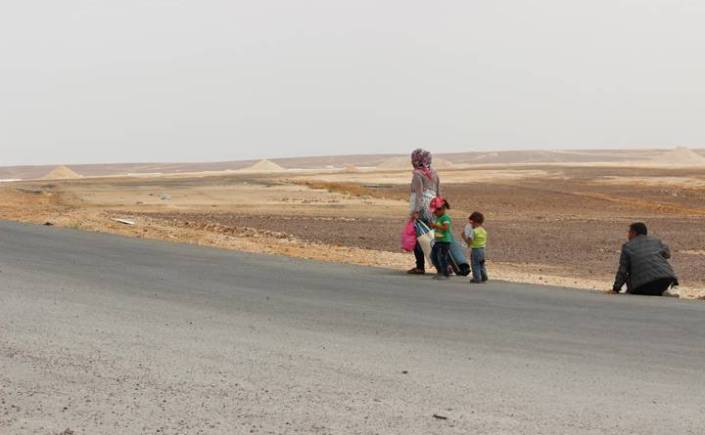
Some refugees and asylum-seekers come to Canada saddled with debt and without full access to health care — and some don’t.
Which one you are depends on where you’re from and when you got here.
January 15, 2016 – Anna Mehler Paperny, Global News
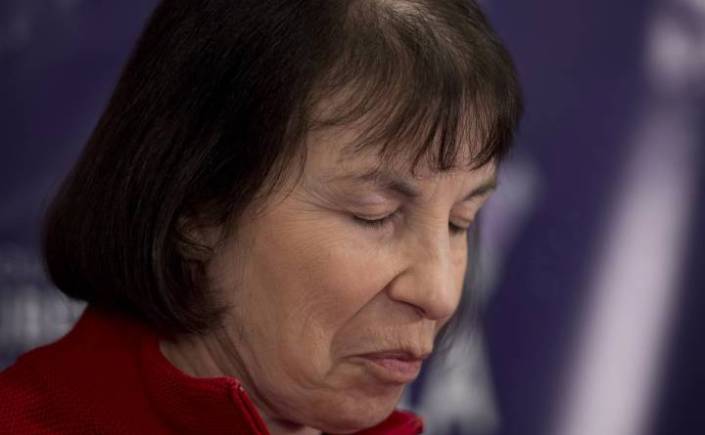
It’s been 53 months since Elayne Shapray first put her name on an affidavit arguing for the right to die.
She learned Friday afternoon she’ll have to wait another four.
January 15, 2016 – Anna Mehler Paperny, Global News
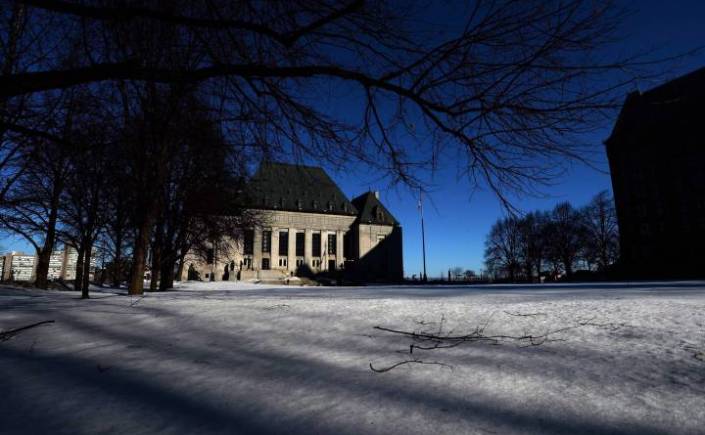
The Supreme Court has granted part of the federal government’s request for extra time in crafting assisted dying legislation, giving them an extra four months instead of the six they had requested.

January 8, 2016 – Anna Mehler Paperny, Global News
Things are ugly in the oilpatch. But they’re especially ugly if you’re a man. Most of all, if you’re a man who hasn’t graduated high school.

January 7, 2016 – Anna Mehler Paperny, Global News
There’s been no shortage of public political posturing in Toronto’s battle over who’s allowed to drive you places for money and what happens if local governments can’t or won’t enforce their own bylaws.
But much of the jockeying takes place behind closed doors — in meetings, phone calls or email exchanges between councillors, policy-makers and those hoping to sway them.
 a business of misfits