Skyrocketing real estate in Toronto’s wealthy enclaves endangering economic diversity

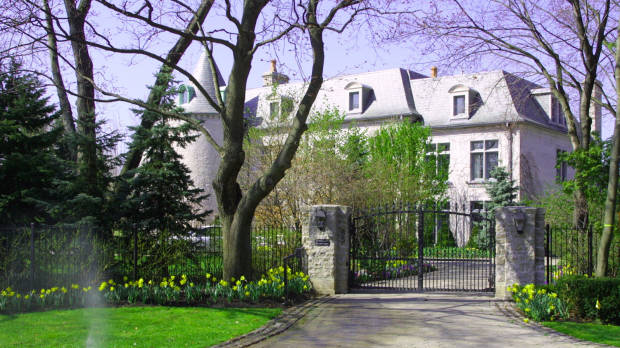
Photo by Deborah Baic/The Globe and Mail

Tuesday, December 21, 2010 – Globe and Mail
ANNA MEHLER PAPERNY

Growing up the northwest end of Toronto, Irma Baldanza aspired to live in a place like Lawrence Park.

“I remember driving through areas like Forest Hill and Lawrence Park, where my Dad would point out and say, ‘Look at these beautiful houses,’ that sort of thing,” she said. “Once I got married and we started thinking about owning a home, this is one of the areas we looked at.”

The couple started out with a relatively affordable house on Yonge Street and Blythwood Road in the mid-1980s, moving in 1990 to a red-brick Georgian house they could add on to over the next several years, accommodating a growing family. In the past two decades, Ms. Baldanza has seen the treed neighbourhood become increasingly attractive for wealthy families – and, more recently, developers and investors – drawn to the larger lots and green spaces.

In a city where property is increasingly at a premium, the rarity of a neighbourhood of large lots just blocks away from a major transit artery makes for dramatically increasing property values. It helps to have good schools – both public and private – and engaged residents eager to pitch in for fundraising and beautifying initiatives.
Continue reading

Toronto’s Three Cities: A metropole of extremes, losing middle ground

Photo by Peter Power/The Globe and Mail

Wednesday, December 15, 2010 – Globe and Mail
ANNA MEHLER PAPERNY

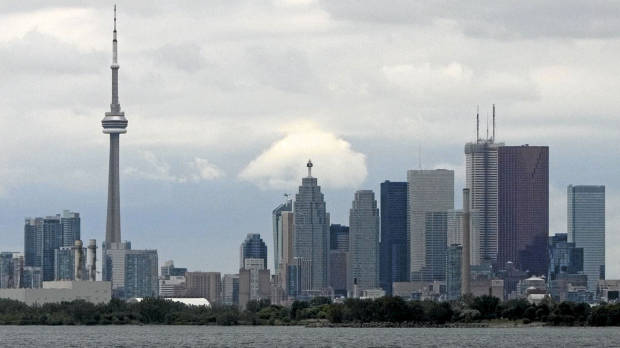
TORONTO — Toronto is becoming a city of stark economic extremes as its middle class is hollowed out and replaced by a bipolar city of the rich and poor – one whose lines are drawn neighbourhood by neighbourhood.

New numbers indicate a 35-year trend toward economic polarization is more pronounced: The country’s economic engine, which has long claimed to be one of the most diverse cities in the world, is increasingly comprised of downtown-centred high-income residents – most living near subway lines – and a concentration of low-income families in less dense, service- and transit-starved inner suburbs.

Three years ago, University of Toronto professor David Hulchanski published a paper on Toronto’s “Three Cities,” illustrating a growing socioeconomic disparity among the city’s census tracts.

But the three-way divide Prof. Hulchanski and his fellow Cities Centre researchers described is swiftly being reduced to two, according to a new paper they will release Wednesday. Toronto, a predominantly middle-class metropolis just three decades ago, is increasingly dominated by two opposite populations – one with an average income of $88,400, and another of $26,900.

Continue reading