Monthly Archives: April 2011

Sarpoza prison break throws Canada’s Afghan legacy into doubt

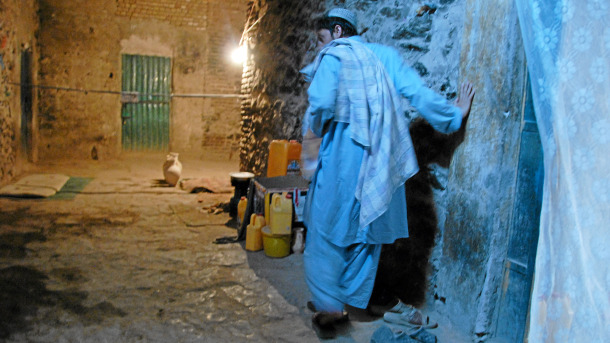
Photo by Graeme Smith/Globe and Mail

Wednesday, April 27, 2011 – Globe and Mail
ANNA MEHLER PAPERNY

If there is to be a large-scale international move to boost Afghan security, following a subterranean Taliban-assisted escape from Sarpoza prison early Monday morning, it is not likely to come from Canada. That will probably fall to U.S. forces coming to pick up the pieces in Kandahar province.

Some note this week’s escape highlights the questionable legacy of Canada’s efforts in Kandahar just as troops prepare to hand over responsibility.

But Canadians who’ve worked near Sarpoza argue the audacious getaway also indicates just how Sisyphean a task it is to foster even a fragile sense of security in this volatile Afghan province.

Read more of this post

Fukushima’s fallout: Ripple effects on nuclear power in Canada

Darlington Nuclear Plant's is designed to suck any radioactive steam that could be released. to date, this has not been needed. Photos taken April6 2011 during a media tour of the Ontario Power Generation's Darlington Nuclear facility near Oshawa, Ont.
(Photo by Fred Lum/The Globe and Mail)

Anna Mehler Paperny – Globe and Mail
Thursday, April 07, 2011
The disaster in Japan is forcing this country to re-evaluate the way in which it pursues – and safeguards – nuclear power

The rectangular concrete bay tasked with containing 150,000 bundles of spent uranium looks like a swimming pool, with a temperature – 30 C – to match.

But the tranquil-looking body of demineralized water at Ontario’s Darlington nuclear generator belies the painstaking, energy-intensive effort to keep it cool.

Its fuel-cooling counterpart at 40-year-old Fukushima Daiichi spent weeks emitting high levels of radiation. A blast of liquid gas stemmed a leak this week, barely 48 hours before another powerful quake further complicated efforts to contain the damage.

Read more of this post

The price of democracy: Canada’s election costs have skyrocketed in the past decade

Saturday, April 2, 2011 – Globe and Mail
ANNA MEHLER PAPERNY

When Canadians vote on May 2, they’ll be paying for a federal election whose cost has grown 50 per cent in the past decade, thanks in large part to the money given to political parties.

This year’s election is expected to cost $300-million – up from $198-million in 2000.

The amount spent by Elections Canada covers everything it takes to rev up a cross-country electoral machine at the drop of a writ – from hiring and training about 200,000 people, many of whom will only be needed for a day or two, to renting polling stations and conducting campaigns to boost voter turnout (which dropped to only 59 per cent in 2008).

Read more of this post

Follow

Get every new post delivered to your Inbox.